Step-by-Step Guide to Creating a 20V 1000uF SMD 4 x 5.4mm Electrolytic Capacitor KiCad Symbol
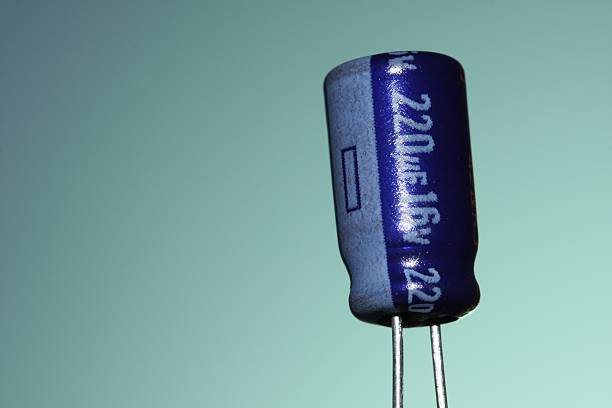
Designing printed circuit boards (PCBs) requires precise components and well-defined symbols to ensure smooth manufacturing and functionality. If you’re working on a project that calls for a 20V 1000uF SMD 4 x 5.4mm Electrolytic Capacitor KiCad, creating an accurate symbol and footprint in KiCad is essential for successful PCB design and assembly.
This comprehensive step-by-step guide will walk you through the process of creating a custom KiCad symbol for this specific electrolytic capacitor, tailored to your project needs. Whether you are a beginner or an experienced KiCad user, this article will help you master symbol creation and integrate your capacitor seamlessly into your design.
Why Create a Custom Symbol for Your Capacitor?
Before diving into the steps, it’s important to understand why you might want to create a custom symbol rather than relying on pre-existing libraries:
- Exact specifications: Off-the-shelf symbols might not match your component’s size, pin configuration, or electrical specs precisely.
- Avoid errors: Using accurate symbols reduces the risk of miswiring or misplacement during assembly.
- Professional design: Custom symbols improve documentation clarity, helping collaborators or manufacturers understand your design.
- Library consistency: Creating your own symbols lets you standardize your component library according to your preferred styles.
For a 20V 1000uF SMD 4 x 5.4mm Electrolytic Capacitor KiCad, it is especially useful to customize since the size and polarity markings are critical for proper installation.
Step 1: Understand Your Component Specifications
Gather the key specifications of your capacitor before starting:
- Voltage rating: 20 volts
- Capacitance: 1000 microfarads (µF)
- Package size: 4mm x 5.4mm (length x width)
- Type: Electrolytic capacitor, typically polarized
- Polarity: Identify which terminal is positive (+) and which is negative (−)
- Pin layout: Usually two pins, but pad size and spacing must reflect the physical package
Having this data on hand ensures your symbol and footprint will align perfectly with your physical capacitor.
Step 2: Open KiCad and Launch the Symbol Editor
- Open KiCad.
- From the project dashboard, select “Symbol Editor”. This tool lets you create and edit schematic symbols.
- Choose an existing library to add your symbol or create a new custom library to store your components.
It’s best practice to create a custom library for your own symbols to keep your work organized and avoid modifying shared libraries.
Step 3: Create a New Symbol
- Click “Create a new symbol” in the Symbol Editor.
- Name your symbol clearly, such as C_20V_1000uF_4x5.4_SMD.
- Select an appropriate symbol category (e.g., Capacitors) or create a custom category.
- Click OK to start editing the symbol.
Step 4: Draw the Symbol Body
The symbol body is the graphic representation that appears in schematics.
- Draw a rectangle or two parallel lines representing the capacitor plates. Electrolytic capacitors are often shown with one straight line (negative terminal) and one curved or straight line (positive terminal).
- Use KiCad’s graphic tools to draw these shapes clearly and proportionally.
- Add text labels near the terminals: typically “+” for positive and “−” for negative. This is critical because electrolytic capacitors are polarized and must be installed correctly.
Step 5: Add Pins to the Symbol
- Select the Add Pins tool.
- Place two pins, one for each terminal.
- Assign pin numbers and names consistent with the capacitor datasheet. For example:
- Pin 1: Positive (+)
- Pin 2: Negative (−)
- Set pin types to Passive or Power Input/Output based on your design style (typically passive for capacitors).
- Make sure the pins are positioned logically (e.g., positive pin on the left, negative pin on the right) and aligned with the graphical symbol.
Step 6: Add Attributes and Metadata
To improve usability and documentation, add the following attributes to your symbol:
- Reference: Default is usually “C” for capacitors.
- Value: Enter 1000µF or simply 1000uF.
- Footprint: Link to the footprint you will create in the next steps, for example, Capacitor_SMD:CP_4x5.4mm_20V_1000uF.
- Datasheet: Optionally add a URL or file path linking to the capacitor datasheet.
Including this metadata helps when generating the bill of materials (BOM) and during assembly review.
Step 7: Save and Test the Symbol
Save your symbol in the custom library. Before integrating it into your schematic:
- Place the symbol into a test schematic.
- Verify pin numbers, orientation, and appearance.
- Check that the symbol’s reference and value fields are editable in the schematic.
- Validate the symbol does not overlap with other components visually.
This early testing avoids surprises during the design process.
Step 8: Create the Corresponding Footprint
The symbol represents the capacitor in the schematic, but the footprint defines the physical pads on the PCB.
- Open KiCad’s Footprint Editor.
- Create a new footprint named something like CP_4x5.4mm_20V_1000uF.
- Draw the pads according to the capacitor’s datasheet:
- Size: Pads must match the 4 x 5.4mm dimensions and pad shapes recommended by the manufacturer.
- Pad spacing: Maintain exact distances between pads for SMD soldering.
- Polarity marking: Usually a line or circle near the negative pad.
- Add courtyard and silkscreen outlines for assembly guidance.
- Save the footprint to your custom footprint library.
Step 9: Link the Footprint to Your Symbol
Back in the Symbol Editor, open your capacitor symbol and assign the newly created footprint under the footprint field.
This ensures when the symbol is placed in a schematic, the correct physical footprint is selected automatically for PCB layout.
Step 10: Integrate the Symbol and Footprint into Your PCB Design
Now that your symbol and footprint are ready:
- Place the symbol in your schematic where you need the capacitor.
- Run the “Annotate” tool to assign reference designators like C1, C2, etc.
- Use the “Generate Netlist” and import it into the PCB Editor.
- Place and route the footprint on your PCB layout.
Additional Tips for Working with Electrolytic Capacitors in KiCad
- Polarity is critical: Double-check your symbol and footprint to avoid reversed polarity, which can damage the capacitor.
- Check datasheets thoroughly: Dimensions, pad size, and recommended solder mask clearance can vary by manufacturer.
- Label values clearly: Large capacitance values like 1000µF are important to distinguish from smaller capacitors.
- Use libraries: Consider adding your custom symbol and footprint to a centralized library for reuse in future projects.
- Validate with 3D viewer: KiCad’s 3D viewer helps you visualize the capacitor on the PCB, ensuring proper fit.
Conclusion
Creating a custom 20V 1000uF SMD 4 x 5.4mm Electrolytic Capacitor KiCad is a manageable process that adds professionalism and precision to your PCB designs. By following this step-by-step guide, you ensure your schematic accurately represents the physical capacitor and that your PCB layout corresponds perfectly with your chosen component.
Custom symbols and footprints not only reduce errors but also improve collaboration with manufacturers and assembly technicians by providing clear, standardized documentation. With practice, creating symbols for any component will become a smooth part of your KiCad workflow, helping you design better, more reliable electronics.




Post Comment