Bifold Door Sizes: A Complete Informational Guide for Residential and Commercial Projects
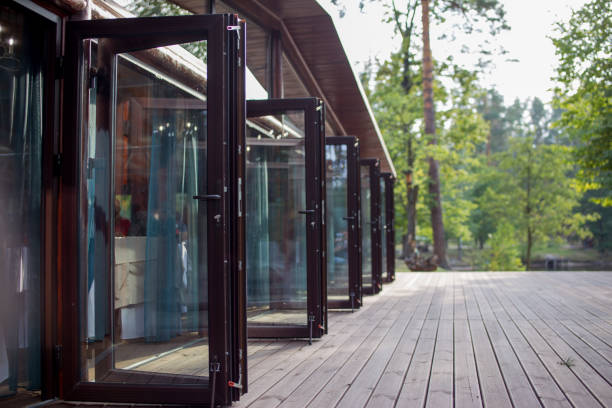
Introduction to Modern Bifold Door Systems
Bifold doors have become a defining feature of contemporary architecture, valued for their ability to create wide openings, improve natural light flow, and connect interior and exterior spaces seamlessly. Whether used in residential villas, commercial buildings, hotels, or office projects, understanding Bifold Door Sizes is critical to achieving both functional performance and aesthetic balance. Door size selection directly affects usability, structural integrity, thermal efficiency, and long-term maintenance.
In recent years, architects, developers, and contractors have increasingly demanded precise information about Bifold Door Sizes to ensure compatibility with building codes, material limitations, and project-specific design goals. This guide is written to meet Google’s helpful content standards by providing detailed, experience-based information rather than generic summaries. It is designed for decision-makers who require clarity before specifying bifold doors in large-scale or high-value projects.
What Are Bifold Doors and Why Size Matters
Bifold doors consist of multiple panels that fold and stack neatly to one or both sides of an opening. Unlike sliding doors, which overlap, bifold systems allow for almost the entire opening to be cleared. However, this benefit comes with technical considerations that make accurate sizing essential.
When planning Bifold Door Sizes, factors such as panel width, panel height, total opening width, and stacking configuration must be evaluated together. Oversized panels may lead to operational difficulties, while undersized panels can compromise the visual impact and functionality of the opening. In aluminum bifold systems, size tolerance is particularly important due to weight distribution and hardware load limits.
Standard Residential Bifold Door Dimensions
In residential construction, bifold doors are commonly used to open living rooms to patios, gardens, or balconies. Standard Bifold Door Sizes in homes are often designed around typical structural openings and furniture layouts. Most residential bifold doors range from two to six panels, depending on the width of the opening.
Panel widths are generally standardized to ensure smooth operation and manageable weight. While exact dimensions vary by manufacturer, most residential projects follow consistent sizing principles that allow for customization without excessive structural modification. Ceiling height also plays a role, as taller doors enhance visual openness but require reinforced frames and high-performance hardware.
Commercial and Architectural Bifold Door Sizes
Commercial projects demand a more technical approach to bifold door sizing. Hotels, restaurants, shopping centers, and office buildings often require larger openings to support foot traffic, emergency egress, and branding objectives. In such environments, Bifold Door Sizes must align with fire regulations, wind load requirements, and accessibility standards.
Large-scale bifold systems may include more panels with narrower individual widths to maintain structural stability. Aluminum is frequently chosen for these applications because of its strength-to-weight ratio, corrosion resistance, and ability to support expansive glazing. Proper size planning ensures that the door system performs reliably under frequent use and varying environmental conditions.
Panel Configuration and Its Impact on Door Size
The number of panels in a bifold system directly influences the overall size and usability of the door. For example, a four-panel system will behave differently from a six-panel system, even if the total opening width is the same. Understanding Bifold Door Sizes requires looking beyond the total measurement and examining how each panel contributes to movement, stacking, and clearance.
Panel configuration also affects design symmetry. Even-numbered panels often provide balanced openings, while odd-numbered configurations allow for a single access door. This flexibility makes bifold doors suitable for both everyday use and large gatherings, but only if sizes are selected with operational logic in mind.
Height Considerations for Bifold Doors
Door height is as important as width when evaluating Bifold Door Sizes. Taller bifold doors enhance architectural presence and allow more daylight into interior spaces. However, increased height adds weight to each panel, placing greater demands on tracks, rollers, and hinges.
In aluminum bifold systems, advanced engineering allows for taller doors without compromising performance, but only within defined limits. Ceiling structure, lintel support, and wind exposure must be assessed before finalizing height specifications. A well-sized door height improves both energy efficiency and visual continuity with adjacent windows and curtain walls.
Material Choice and Size Limitations
Material selection plays a decisive role in determining feasible Bifold Door Sizes. Aluminum is widely regarded as the preferred material for large-format bifold doors due to its durability and design flexibility. Compared to timber or uPVC, aluminum supports slimmer profiles and larger glass panels without sacrificing strength.
For B2B buyers and project developers, working with specialized manufacturers such as APRO ensures access to systems that are engineered specifically for demanding size requirements. As a B2B website for high-quality aluminum doors, windows, curtain walls, and partitions, APRO focuses on solutions that balance size, performance, and compliance with international standards.
Custom Bifold Door Sizes for Specialized Projects
Not all projects can rely on standard dimensions. Luxury villas, high-end retail spaces, and unique architectural designs often require custom Bifold Door Sizes. Customization allows designers to align door proportions with facade geometry, interior layouts, and branding elements.
Custom sizing involves precise measurement, detailed shop drawings, and close collaboration between architects, fabricators, and installers. Companies like APRO provide technical support during this process, ensuring that customized aluminum bifold doors meet structural and performance requirements without unnecessary compromise.
Structural Openings and Measurement Accuracy
Accurate measurement of the structural opening is fundamental to determining appropriate Bifold Door Sizes. Measurements must account for tolerances, floor finishes, and potential building movement. Even small errors can lead to misalignment, poor sealing, or operational issues.
Professional measurement practices involve checking width and height at multiple points and confirming squareness. This attention to detail is especially important in large aluminum bifold systems, where cumulative deviations can affect overall performance. Reliable suppliers such as APRO typically provide measurement guidelines or on-site support for complex projects.
Energy Efficiency and Size Optimization
Larger bifold doors offer expansive views and abundant daylight, but they also present challenges in terms of thermal performance. When considering Bifold Door Sizes, it is essential to balance openness with insulation requirements. High-performance glazing, thermal breaks, and weather seals become increasingly important as door size increases.
Modern aluminum bifold systems are designed to accommodate large glass areas while maintaining energy efficiency. Selecting the right size allows for optimal solar gain in winter and controlled heat loss throughout the year, contributing to sustainable building performance.
Installation Factors Related to Door Size
Installation complexity increases with door size. Larger Bifold Door Sizes require precise alignment, reinforced tracks, and careful handling during installation. Improper installation can negate the benefits of high-quality materials and engineering.
Experienced installers understand how size affects load distribution and movement. For commercial projects and large residential developments, partnering with suppliers like APRO helps ensure that installation practices align with system specifications and warranty requirements.
Maintenance Considerations for Large Bifold Doors
Maintenance needs scale with door size. Larger bifold systems have more panels, hardware components, and sealing points. When planning Bifold Door Sizes, long-term maintenance should be considered alongside initial aesthetics and cost.
Aluminum bifold doors are relatively low maintenance, but periodic inspection of rollers, tracks, and seals is essential for smooth operation. Proper sizing reduces strain on components, extending service life and reducing operational costs over time.
Bifold Door Sizes in Global and Regional Markets
Market preferences influence typical Bifold Door Sizes. In regions with warmer climates, larger openings are common to promote indoor-outdoor living. In colder climates, sizes may be more conservative to prioritize insulation.
For international B2B projects, manufacturers such as APRO design systems that can be adapted to regional standards and environmental conditions. This flexibility allows developers to specify consistent design language while adjusting sizes to suit local requirements.
Choosing the Right Supplier for Bifold Door Systems
Selecting a reliable supplier is as important as selecting the correct size. Expertise in Bifold Door Sizes ensures that recommendations are based on engineering realities rather than aesthetic trends alone. A knowledgeable supplier evaluates project constraints, usage patterns, and performance goals before proposing dimensions.
As a specialized B2B platform, APRO supports architects, contractors, and developers with technical documentation, customization options, and quality-controlled aluminum systems. This approach reduces risk and improves project outcomes, particularly for large or complex installations.
Future Trends in Bifold Door Sizing
Advances in material science and hardware design continue to expand the possibilities for Bifold Door Sizes. Slimmer frames, stronger aluminum alloys, and improved roller systems allow for wider and taller doors than ever before.
Future projects are likely to feature increasingly seamless transitions between indoor and outdoor spaces, driven by client demand and architectural innovation. Staying informed about size capabilities and limitations helps professionals make forward-looking design decisions.
Conclusion: Making Informed Decisions About Bifold Door Sizes
Understanding Bifold Door Sizes is essential for anyone involved in modern construction and architectural design. Size affects aesthetics, performance, installation, maintenance, and long-term value. By considering panel configuration, height, material choice, and environmental factors, stakeholders can specify bifold doors that meet both functional and visual objectives.
For B2B buyers seeking reliable aluminum solutions, working with experienced suppliers such as APRO provides confidence that size, quality, and performance are aligned. As bifold door technology continues to evolve, informed size selection will remain a cornerstone of successful residential and commercial projects.


Post Comment