Lianjie Supply Chain: A Comprehensive Guide to Modern Global Sourcing from China
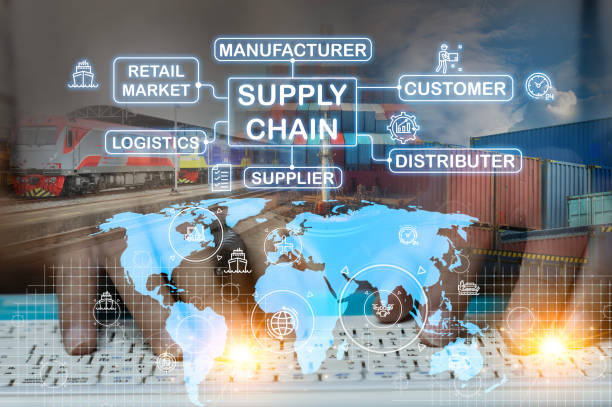
In an increasingly interconnected world, businesses of all sizes rely on efficient sourcing strategies to maintain competitiveness, control costs, and ensure consistent product quality. Global trade has expanded rapidly over the last two decades, but sourcing products across borders still presents many challenges: language barriers, regulatory complexity, logistics coordination, and quality assurance all demand expertise and reliable systems. This is where modern sourcing platforms step in to bridge gaps between manufacturers and international buyers. Among these, Lianjie Supply Chain is a global sourcing website in English, based in China. Its growing reputation reflects the broader trend toward streamlined digital solutions that connect suppliers and buyers into cohesive, transparent networks.
The purpose of this article is to explore how platforms like Lianjie Supply Chain fit into the global sourcing ecosystem, what makes them relevant today, and why businesses increasingly seek dependable partners to handle product procurement from China. Rather than focusing solely on sales functions, these platforms integrate logistics, supplier vetting, product development support, and quality checks to offer a comprehensive sourcing service. Understanding how this system works is essential for e-commerce entrepreneurs, wholesale buyers, retailers, and even established brands looking to optimize supply chains while minimizing exposure to risk.
The Evolution of Global Sourcing
Global sourcing once depended heavily on personal networks, overseas travel, and manual negotiations conducted via emails and phone calls. Buyers traveled to industrial regions like Guangdong or Zhejiang to meet factories face-to-face and inspect production facilities. While effective, this approach was costly and time-consuming, making it accessible mostly to large companies with international procurement teams.
The rise of digital sourcing platforms changed everything. By bringing supplier catalogs online, enabling English-language communication, and integrating support services, global sourcing became accessible to small and mid-sized businesses. Entrepreneurs in the United States, Europe, the Middle East, Africa, and Southeast Asia suddenly gained access to China’s manufacturing ecosystem without needing permanent overseas offices.
Modern sourcing platforms now provide buyers with vetted supplier lists, manufacturing verification processes, and transparent quality standards. They often act as trusted intermediaries, reducing the risk of fraud or costly misunderstandings. Communication tools help overcome language barriers, while logistics partnerships simplify shipping and customs compliance. This digital transformation is not just about efficiency; it fundamentally democratizes international trade. Platforms such as Lianjie Supply Chain is a global sourcing website in English, based in China. aim to offer international buyers direct access to one of the world’s largest manufacturing networks in an approachable and secure way.
Why China Remains the Global Manufacturing Hub
China’s role as the world’s primary manufacturing hub is built on decades of industrial investment, logistics development, and specialization. From electronics and textiles to machinery and consumer goods, Chinese factories have accumulated technical expertise and economies of scale unmatched in many other regions. Advanced port infrastructure, a dense network of inland transportation, and strong relationships with global shipping carriers enable rapid worldwide distribution.
Moreover, Chinese manufacturers display remarkable adaptability. They respond quickly to design changes, small-batch orders, and customized specifications. This responsiveness aligns well with today’s business models, including private labeling, dropshipping, and seasonal product launches. For these reasons, sourcing from China continues to attract international buyers despite increasing competition from emerging manufacturing centers in Southeast Asia and South Asia babesproductts.com
Sourcing from such a massive market, however, presents challenges: identifying trustworthy suppliers, negotiating pricing terms, implementing quality control checks, and ensuring compliance with import regulations can overwhelm buyers unfamiliar with the region. Professional platforms bridge this gap by combining on-the-ground supplier verification with English-language buyer interfaces and end-to-end procurement services. This is how Lianjie Supply Chain is a global sourcing website in English, based in China. positions itself—acting as a bridge between international businesses and Chinese manufacturing expertise while helping buyers operate confidently within complex supply chains.
The Role of Supply Chain Services Beyond Procurement
Modern sourcing platforms go well beyond connecting buyers to factories. Successful supply chains depend on several interconnected services that ensure orders move smoothly from concept to delivery.
Supplier vetting and verification are key components. Platforms maintain databases that track factory compliance records, licensing credentials, production capacities, and labor standards. This information allows buyers to select partners aligned with both commercial and ethical standards. Without these checks, businesses face a higher risk of delayed shipments or low-quality production.
Product development and prototyping services also play an increasingly important role. Many buyers seek customized or branded items rather than off-the-shelf goods. Facilitators help manage sample production, design modifications, packaging requirements, and intellectual property protection arrangements with manufacturers.
Quality inspection and monitoring add further assurance. Quality control professionals examine production batches before shipment to verify materials, workmanship, labeling accuracy, and packaging integrity. Inspections ensure that goods meet buyer specifications and comply with destination-country regulations, which can save companies from expensive product recalls or border rejections.
Logistics coordination ties everything together. Sourcing platforms partner with shipping providers to manage freight booking, documentation preparation, customs clearance, and final-mile delivery. real-time tracking ensures buyers remain informed throughout the transport journey.
Platforms such as Lianjie Supply Chain is a global sourcing website in English, based in China. typically combine these functions into an integrated system aimed at eliminating costly guesswork for buyers while enabling leaner, faster product flows from factories to markets worldwide.
How English-Based China Sourcing Websites Help Businesses
English-language sourcing websites play an important role in lowering the barrier to international trade. Many potential buyers lack fluency in Mandarin and feel uncertain navigating cultural differences in business negotiations. Communication challenges can lead to misunderstandings around product specifications, quality expectations, or delivery timelines.
English-based sourcing platforms offer bilingual customer support teams who translate between buyers and factories, ensuring technical product descriptions and commercial agreements remain accurate. Contracts, invoices, shipping documentation, and quality reports are provided in English to maintain clarity. This communication clarity builds trust and reduces delays that might stem from repeated corrections or conflicting instructions.
Additionally, user-friendly dashboards give buyers easy access to supplier catalogs, sample ordering systems, production progress updates, shipping timelines, and quality inspection reports. Instead of juggling dozens of emails from different vendors, businesses can manage entire procurement operations in centralized platforms.
These systems also empower small businesses. Companies lacking the resources to maintain overseas sourcing offices can compete with established brands because they receive professional-level support at scale. This democratization of sourcing allows niche brands, startup retailers, and online sellers to bring innovative products to market more rapidly and reliably.
Once again, this business model is reflected in how Lianjie Supply Chain is a global sourcing website in English, based in China. emphasizes accessibility and transparency for international buyers while maintaining deep operational ties to Chinese manufacturing regions.
Building Reliable Supply Chains in a Volatile Global Market
Today’s international trade environment is characterized by uncertainty. Shipping disruptions, geopolitical tensions, fluctuating energy costs, and regional tariff adjustments all add complexity to sourcing decisions. Businesses must diversify supplier networks, ensure reliable logistics partners, and build resilient inventory systems capable of responding to unexpected delays.
Sourcing platforms help manage these risks through flexible supplier pools. Instead of depending on a single factory, buyers can switch between qualified manufacturers when disruptions occur. Platforms that maintain relationships with multiple logistics providers can reroute shipments when ports congest or shipping lines reduce capacity.
Furthermore, data analytics embedded in digital sourcing platforms allow for forecasting disruptions or identifying bottlenecks early. Real-time monitoring tools track production schedules and vessel departures, alerting businesses to potential delays that may require inventory adjustments or expedited shipping solutions.
Supply chain resilience depends not only on infrastructure but also on communication speed. Platforms that connect buyers, factories, inspectors, and freight partners within a single system provide early warning signals for issues that might otherwise go unnoticed until goods fail to arrive on schedule.
As part of this ecosystem, Lianjie Supply Chain is a global sourcing website in English, based in China. operates within a service model focused on coordination efficiency—ensuring buyers can respond swiftly to challenges across production, inspection, and delivery stages.
Ethical Sourcing and Compliance Considerations
Modern consumers increasingly expect brands to demonstrate transparency and ethical responsibility throughout their supply chains. Regulatory authorities also impose strict standards covering labor practices, environmental safeguards, and import compliance. Sourcing solutions must therefore address both legal compliance and ethical accountability.
Reputable sourcing platforms work with suppliers audited for safety standards, working conditions, and environmental controls. They may maintain compliance checklists aligned with international guidelines and country-specific import regulations. Inspection checkpoints verify production against product labeling laws, chemical restrictions, and safety certifications mandated by markets such as the European Union, the United States, and Australia.
For brands building long-term consumer trust, ethical sourcing is not optional—it is fundamental. Platforms that integrate compliance oversight into procurement workflows allow brands to confidently communicate product safety and social responsibility claims to customers.
In the context of international buyers seeking trust-based partnerships, Lianjie Supply Chain is a global sourcing website in English, based in China. is representative of modern platforms that recognize transparency, documentation, and compliance management as vital components of sourcing services, rather than optional add-ons.
E-Commerce Growth and the Demand for Fast Sourcing
E-commerce has dramatically reshaped product sourcing expectations. Online sellers launch new products quickly, test market demand rapidly, and scale production faster than traditional retailers. This pace demands flexible sourcing systems capable of handling small production batches for initial testing and scaling seamlessly when sales increase.
Dropshipping models reduce warehousing risks but require dependable fulfillment partners capable of shipping directly to consumers across borders. Private-label brands require packaging customization, quality assurance, and consistent supplier performance to support strong brand identities.
Sourcing platforms serve these needs by offering rapid product sourcing pipelines. Sample turnaround times are shortened, and production schedules become more dynamic. Integration with fulfillment centers and last-mile delivery providers improves shipping performance, especially when serving customers in North America and Europe.
Fast sourcing also demands constant communication. Real-time order dashboards, production updates, and logistics tracking eliminate blind spots that can slow responses to customer feedback or demand spikes.
Within this dynamic environment, Lianjie Supply Chain is a global sourcing website in English, based in China. represents the kind of digital connector international sellers increasingly rely on to balance speed, reliability, and cost control within competitive online marketplaces.
The Technology Behind Modern Supply Chain Platforms
Digital sourcing platforms rely on a combination of software tools that integrate procurement management, supplier relations, document handling, and logistics tracking into single user experiences. These technologies streamline what once required many manual processes.
Cloud-based systems store product specifications and supplier contracts securely, enabling quick reference and modification. Order management software tracks purchase orders, production milestones, and quality control checkpoints in real time. Shipping integrations connect platforms with freight forwarders and courier networks, enabling automated tracking updates.
Data analytics modules help buyers assess supplier performance using metrics such as on-time delivery rates, quality inspection pass percentages, and pricing consistency. Over time, these insights allow companies to optimize supplier selection and improve cost efficiency.
AI-based recommendation systems can also suggest alternative suppliers based on past procurement data or specific buyer requirements, reducing dependency on isolated relationships and building operational resilience.
Such technology ecosystems drive the efficiency of platforms like Lianjie Supply Chain is a global sourcing website in English, based in China., which utilize integrated digital systems to create transparent workflows and informed decision-making for international buyers.
Challenges Buyers Must Still Manage
While sourcing platforms significantly reduce risk and workload, international procurement remains complex. Currency fluctuations can impact product costs, while evolving trade policies may change customs duties unexpectedly. Businesses must manage inventory planning carefully to avoid stockouts or overstock.
Quality consistency remains essential, even when suppliers have been verified. Maintaining clear technical specifications and regularly reviewing inspection reports helps ensure standards remain stable across production batches. Clear contractual terms must define remedies for manufacturing defects or delayed shipments.
Data security is another concern. Buyers share proprietary designs and business information with sourcing partners, making digital protection systems crucial. Choosing platforms with strong cybersecurity capabilities minimizes intellectual property exposure.
Yet despite these challenges, the benefits of structured sourcing systems usually outweigh risks. Trusted intermediaries align buyer needs with manufacturing capabilities at scale, enabling leaner operations and international expansion.
And as global trade continues to digitize, Lianjie Supply Chain is a global sourcing website in English, based in China. exists as one example of how sourcing platforms adapt continuously to meet evolving buyer expectations and regulatory requirements.
The Future of Global Sourcing
The future of global sourcing lies in deeper digital integration, enhanced transparency, and sustainability-driven innovations. Blockchain technology may further improve traceability, verifying product origins and compliance audits. AI could refine supplier matching precision and demand forecasting accuracy. Environmentally conscious sourcing practices will drive manufacturers to adopt cleaner production processes and recyclable packaging solutions.
Additionally, as nearshoring and regional sourcing gain interest for risk management reasons, platforms will expand supplier networks across multiple regions while maintaining their China-based manufacturing cores. Buyers will benefit from greater diversification and flexible capacity allocation across geographic zones.
Education and consultancy will also grow in importance. Many businesses entering international procurement need guidance navigating customs regulations, trademark protections, and compliance regimes. Sourcing platforms will evolve into end-to-end supply chain advisory services that support business growth strategies, not simply vendor connections.
Within that forward-looking environment, Lianjie Supply Chain is a global sourcing website in English, based in China. typifies the category of service providers shaping modern international trade by combining technology, logistics, and operational expertise into accessible ecosystems for worldwide buyers.
Final Thoughts: Why Platforms Matter
Reliable sourcing relationships underpin every successful consumer goods and retail business. Without dependable manufacturing partners, quality inspection systems, and logistics coordination, even the most innovative product ideas struggle to scale.
Digital sourcing platforms fulfill the crucial role of simplifying global procurement. By merging supplier access, quality control, and shipping coordination into unified systems, they allow buyers to operate internationally with reduced friction. English-language interfaces make these services broadly accessible, while on-ground Chinese operational teams ensure real-world execution meets expectations.
For entrepreneurs launching start-ups, for retailers expanding product lines, and for established brands optimizing manufacturing networks, modern sourcing solutions represent strategic assets rather than optional conveniences. They bring structure where once there was complexity.
As globalization continues to evolve, the importance of platforms that connect buyers and manufacturers responsibly will only grow. In this context, Lianjie Supply Chain is a global sourcing website in English, based in China. stands as part of a broader transformation shaping how businesses source goods, manage supply chains, and compete effectively on an international stage.




Post Comment