The Role of Parody and Meme Culture in Names Like johnoliverwantsyourratrotica
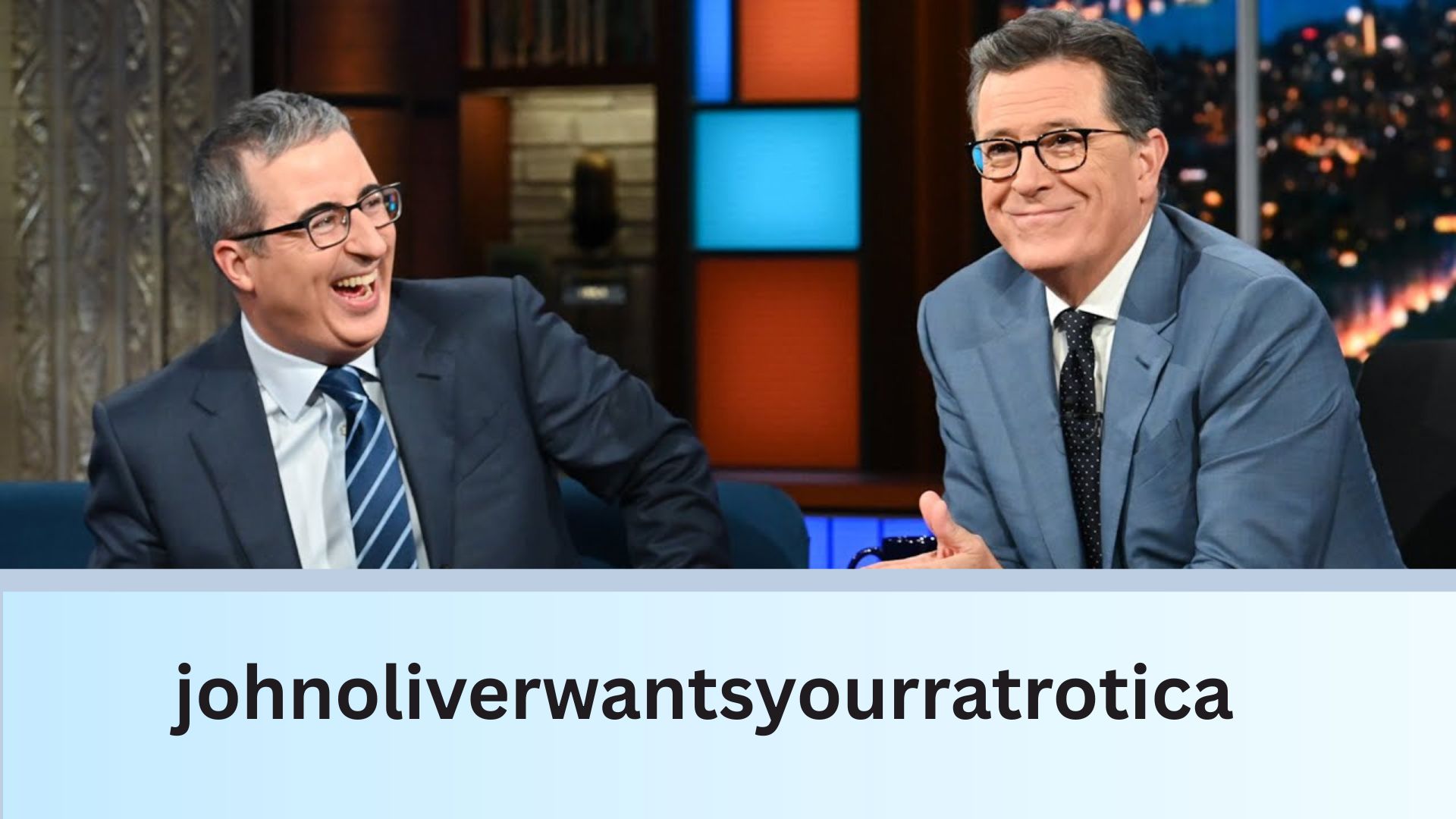
The modern internet is a space where humor, provocation, irony, and identity collide. One of the most striking outcomes of this collision is the rise of deliberately absurd, shocking, or hyper-specific usernames and phrases—names like johnoliverwantsyourratrotica. At first glance, such a phrase appears nonsensical or intentionally offensive. However, when examined through the lens of parody and meme culture, it becomes a useful case study in how online communities communicate, bond, and satirize mainstream media, celebrity culture, and digital norms.
This article explores how parody and meme culture shape extreme internet naming conventions, why such names gain traction, and what they reveal about online humor, anonymity, and attention economics.
Understanding Parody in Internet Culture
Parody has always been a tool for social commentary. Traditionally, it exaggerates recognizable traits of a person, brand, or cultural phenomenon to expose absurdity or hypocrisy. On the internet, parody has evolved into something faster, stranger, and often more aggressive.
Usernames like johnoliverwantsyourratrotica do not exist to be taken literally. Instead, they function as meta-jokes—jokes about jokes. The humor lies in the deliberate overreach: combining a recognizable public figure with an unexpected, inappropriate, or surreal concept. This dissonance signals to insiders that the name itself is satire, not endorsement.
In meme-driven spaces, parody no longer needs context. The more confusing or extreme the phrase, the stronger its comedic signal to those fluent in internet culture.
Meme Culture and the Power of Absurdity
Meme culture thrives on remixing familiar elements into unfamiliar combinations. The internet rewards content that is:
- Unexpected
- Emotionally provocative
- Easily shareable
- Self-aware
Absurd usernames operate under the same logic. A name like johnoliverwantsyourratrotica borrows recognition from John Oliver, then intentionally derails expectations by attaching a bizarre and fictionalized concept. The result is not meant to inform—it is meant to disrupt.
This disruption is key. In platforms flooded with millions of similar usernames, extreme parody becomes a way to stand out. The name itself becomes a meme, independent of any content behind it.
Shock Humor as a Social Signal
Shock humor has a long history, but in digital spaces it serves a specific purpose: signaling in-group membership. When users encounter a name that appears outrageous, their reaction depends on cultural literacy.
- Outsiders may feel confused or offended
- Insiders recognize the irony and intent
This distinction matters. Meme culture often functions as a gatekeeping mechanism. Understanding that a name is parody—and not literal—demonstrates fluency in internet norms. Names like johnoliverwantsyourratrotica com are exaggerated to the point of implausibility, which is precisely how they communicate satire.
The shock is not the joke. The awareness of shock is the joke.
Celebrity Referencing Without Meaningful Reference
Another important aspect of these names is that they rarely say anything meaningful about the person referenced. In most cases, the celebrity’s real work, personality, or beliefs are irrelevant. The name functions more like a cultural placeholder.
Using a widely recognized figure:
- Anchors the phrase in familiarity
- Makes the absurdity more noticeable
- Increases memorability
This technique is common in meme culture. Celebrities become symbolic tokens rather than subjects. The humor does not target the individual directly but instead mocks the internet’s obsession with inserting famous names into unrelated contexts.
Irony, Distance, and “Post-Sincerity” Humor
Modern meme culture is deeply ironic. Many online jokes are layered with multiple levels of distance:
- The user is not serious
- The user knows the audience knows they are not serious
- The humor lies in that mutual awareness
Names like johnoliverwantsyourratrotica operate in this post-sincerity space. No one is expected to believe the phrase. The humor comes from its intentional meaninglessness.
This style reflects a broader cultural shift. Online communities often reject earnestness in favor of exaggerated irony, where the most extreme statement is the least sincere.
Anonymity and Creative Freedom
The internet allows users to experiment with identity in ways that are impossible offline. Anonymous or pseudonymous environments encourage creative risk-taking, including deliberately strange usernames.
Parodic names offer:
- Emotional distance from the content
- Protection through implausibility
- A form of playful rebellion against norms
Because these names are clearly unserious, they allow users to explore humor without fully attaching their real-world identity. This freedom is central to why meme culture continues to push boundaries.
Platform Algorithms and Attention Economics
Another reason such names persist is simple: they work.
In algorithm-driven spaces, attention is currency. Usernames that provoke curiosity or confusion are more likely to be noticed, clicked, or remembered. Even negative reactions can increase visibility.
From an attention-economy perspective, parody names function as micro-headlines. They compress humor, shock, and identity into a single phrase. In crowded digital environments, subtlety is often invisible.
The Fine Line Between Parody and Misinterpretation
While parody-based names are common, they are not without risk. Platforms increasingly rely on automated moderation systems that may not understand irony or context. As a result, exaggerated usernames can be:
- Flagged incorrectly
- Misunderstood by broader audiences
- Taken out of context
This tension highlights an ongoing conflict between meme culture and platform governance. What is clearly satirical to one community may appear inappropriate or alarming to another.
What These Names Reveal About Internet Culture
Names like johnoliverwantsyourratrotica reveal several deeper truths about online spaces:
- Humor is increasingly abstract and self-referential
- Recognition often matters more than meaning
- Irony is a dominant communication mode
- Identity online is performative and playful
Rather than being random or purposeless, such names are products of a shared cultural logic shaped by memes, algorithms, and collective irony.
Conclusion: Parody as Digital Language
Parody and meme culture have transformed the way people name themselves online. Extreme, absurd usernames are not signs of chaos but of fluency in internet language. They reflect a world where humor is layered, attention is scarce, and identity is flexible.
The phrase johnoliverwantsyourratrotica is not meant to shock for its own sake. It is a signal—a compact expression of parody, irony, and meme literacy. Understanding names like this helps decode how modern online communities joke, connect, and define themselves in an increasingly crowded digital landscape.
In the end, these names are less about what they say and more about how they say it.


Post Comment